
By Andria Michael, Junior PR Executive
A $60 loaf of bread in Manhattan. A political insult directed at Norway. Two seemingly unrelated stories attracted international attention and gave organisations unexpected opportunities to communicate.
In September and October 2026, Lidl and Visit Norway demonstrated how brands can use conversations they did not initiate to reinforce their positioning, reach new audiences and generate publicity. Their responses differed, but both recognised an opportunity to connect a widely discussed story with something relevant to their identity.
For communications professionals, these cases raise an important question: what makes a public conversation worth joining, and how can organisations turn a fleeting moment of attention into something of value?
When a $60 loaf of bread becomes a brand opportunity
In September 2026, Rye Bakery in Manhattan attracted widespread attention for selling a 1.5kg loaf of organic sourdough rye bread for $60. The unusual price sparked debate on social media, generated international media coverage and drew queues of curious customers to the bakery.
For Lidl, the conversation presented an opportunity that aligned directly with its value-for-money positioning.
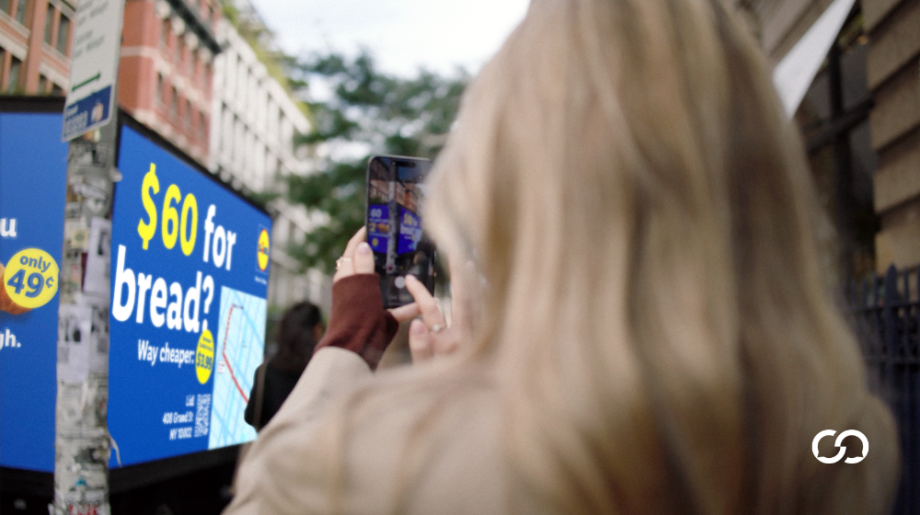
The retailer parked a digital billboard truck outside the bakery, displaying a simple comparison between the $60 loaf and Lidl bread for $3.99. A QR code, map and directions pointed passers-by towards its nearby Grand Street store. Another message highlighted that the same $60 could buy 122 Lidl croissants.
Developed by M+C Saatchi in collaboration with Lidl, the activation went from idea to execution in just 36 hours.
The response suited the brand. Affordability is central to Lidl's identity, and the public discussion about the price of bread gave the retailer a natural opportunity to communicate that proposition with humour.
The execution extended beyond the billboard. Passers-by photographed and filmed the truck, sharing content before Lidl posted its own. Content creators and media coverage then helped the activation reach audiences far beyond Manhattan.
Interestingly, the comparison involved products serving different consumer expectations. Rye Bakery sold a premium, specialised product, while Lidl promoted everyday affordability. The campaign used a widely discussed price to make the retailer's positioning immediately recognisable.
The publicity was driven by a creative idea, but its strategic relevance came from linking the public conversation to what Lidl already represented.
Visit Norway: Turning an insult into an opportunity
A different example emerged in October 2026, when US President Donald Trump described Norway as a "shit house country" during a political speech.
The remark attracted international attention and created an unusual communications opportunity for Visit Norway, the country's official tourism organisation.
Rather than entering a political argument, Visit Norway responded with humour, highlighting the country's architecturally distinctive public toilets, many of which sit along scenic tourist routes.
The organisation adapted an existing webpage showcasing these facilities, introducing a playful reference to the remarks with the message "Norway makes shithouses great again!"
The response drew attention to what Norway could genuinely promote: its landscapes, architecture, and distinctive visitor experiences.
Unlike Lidl, which responded to a consumer conversation, Visit Norway faced a politically sensitive situation. Humour allowed the organisation to acknowledge the controversy while keeping the focus on tourism.
Reputational considerations were also a factor. A response involving a political figure can divide audiences, and humour that resonates with one group may land differently with another. The approach required an understanding of the organisation's audience, tone of voice and the potential consequences of participating.
What makes Visit Norway's response particularly interesting is how little new material it required.
According to Skift, the organisation updated a webpage that had existed for five years. A seven-person editorial team behind the response regularly monitors current conversations and identifies opportunities to connect them with Norway's tourism offering.
An existing piece of content, combined with timely editorial judgement, became the basis for international publicity.
Why real-time communication begins with preparation
Both campaigns appeared spontaneous to the public. Behind the scenes, however, their execution depended on teams that could recognise opportunities and act while the conversations were still relevant.
For communications professionals, monitoring media and social platforms is only the starting point. The greater challenge is interpreting what is happening, understanding its relevance to the organisation and deciding whether participation makes strategic sense.
That requires clear responsibilities, efficient approval processes and the confidence to make timely decisions. Organisations also need a well-established understanding of their identity and communications priorities.
A trending story may be attracting considerable attention, but does it reach the right audience? Does the organisation have something credible to contribute? Could its response be misunderstood or interpreted as opportunistic? And what does the organisation realistically expect to achieve?
These questions become particularly important when conversations involve politics, sensitive social issues or public controversy.
The pressure to respond quickly can sometimes overshadow the need to assess these risks. A creative idea may generate attention for the wrong reasons if the context has been misunderstood or the brand's involvement feels inappropriate.
This is where strategic communications advice becomes especially valuable. Recognising an opportunity requires awareness, but deciding how to respond calls for judgement, an understanding of the organisation and a willingness to challenge an idea when necessary.
In some circumstances, the most appropriate recommendation may be to stay out of the conversation altogether.
Attention is valuable. But what does it achieve?
The publicity generated by Lidl and Visit Norway raises another important question: how should organisations assess the success of real-time communications?
According to Skift, Visit Norway's updated webpage attracted over 80,000 views from more than 170 countries within five days. Traffic was more than 540 times higher than the previous week, and about 90% came through organic channels. The organisation spent less than $10,000 on sponsored Facebook and Instagram activity.
The figures suggest that a relatively modest intervention generated substantial international visibility. They cannot, however, establish whether the attention translated into increased tourism, stronger destination preference or lasting changes in perceptions of Norway.
Lidl reported similarly encouraging engagement. According to M+C Saatchi Performance, content published by the brand and participating influencers generated over 22,000 shares and 32,000 likes within five days.
These agency-reported results demonstrate the campaign's ability to attract attention and encourage engagement. They do not reveal whether consumers subsequently visited Lidl stores or made purchases.
The distinction matters because communications objectives vary. A campaign intended to increase awareness should be assessed differently from one designed to influence perceptions, encourage consideration or drive commercial action.
Reach, engagement and media coverage are useful indicators, particularly when visibility is the primary objective. When reputation or behaviour is at stake, organisations need additional evidence to understand whether their communications made a meaningful difference.
Setting these expectations before an activation allows teams to evaluate its contribution more clearly.
Knowing when to speak, and when to stay silent
Lidl and Visit Norway are already capturing public attention.
Lidl used a discussion about expensive bread to reinforce its affordability message through a simple, well-timed activation. Visit Norway transformed an unexpected political remark into an opportunity to showcase the country's tourism offering with humour.
Both examples highlight the importance of relevance, preparation and an understanding of audience expectations. They also demonstrate that an effective response does not necessarily require a major campaign or substantial investment.
For communications professionals, the most important work often happens before a message is published. It involves understanding the context, anticipating reactions, evaluating risks and establishing whether the organisation has a credible reason to participate.
Public conversations will continue to develop at a pace that challenges even the most experienced communications teams. The opportunity to respond may last only a few hours, but the reputational consequences can extend much further.
Recognising the right moment to speak is a valuable skill. Knowing when to remain silent requires equally sound judgement.
Share